
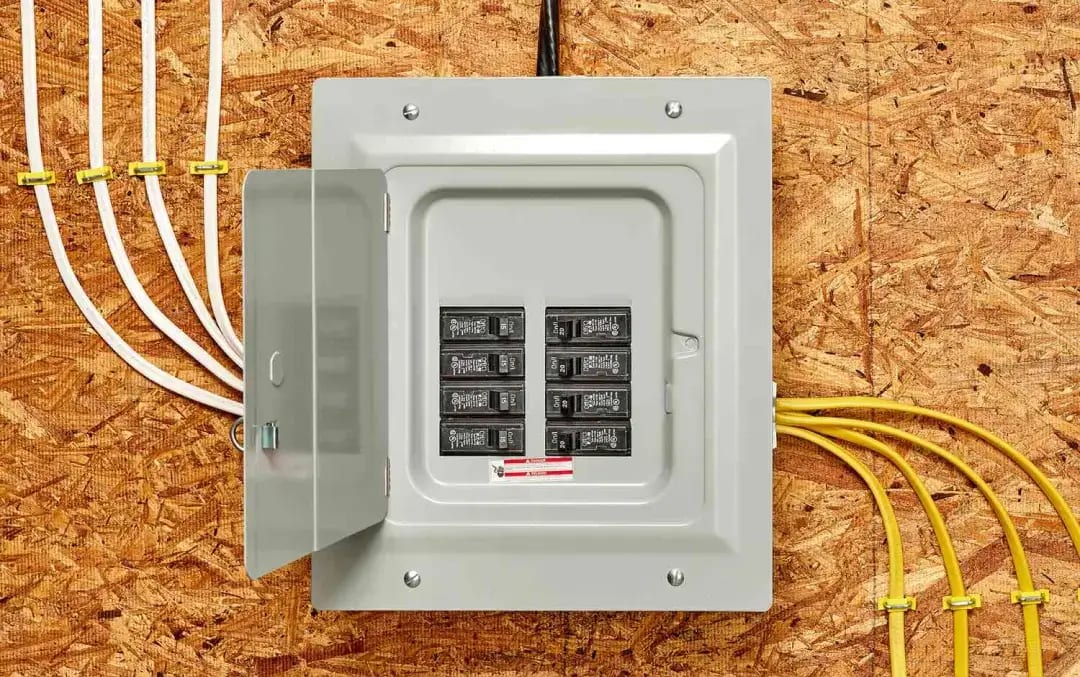
The Wake-Up Call
This journal is about a project I’d been putting off for years: a full electric panel replacement in Ocala, FL. My home, built in the late 80s, has been good to us, but lately, it’s been showing its age in ways that are getting harder to ignore. It started with small things—lights flickering when the AC kicked on, the breaker for the kitchen tripping if we ran the microwave and the coffee maker at the same time. I dismissed it as a quirk of an older house.
The wake-up call came last Tuesday. I was in the garage and noticed a faint, acrid smell of burning plastic near the breaker box. The panel itself felt warm to the touch. That’s when I knew this wasn’t a quirk; it was a warning. Your electrical panel is the heart of your home’s electrical system, and mine was telling me it was under serious strain.
According to the National Fire Protection Association (NFPA), electrical failures are a leading cause of home fires in the U.S.. That statistic was echoing in my head. It was time to stop procrastinating and call a professional.
The Five Warning Signs I Couldn’t Ignore
Before calling an electrician, I decided to do a full audit of my home’s electrical behavior. The more I looked, the more I realized how many red flags I’d been overlooking. If you’re in an older Ocala home, I urge you to look for these same critical signs that point to the need for an electric panel replacement in Ocala, FL.
- Frequent Circuit Breaker Trips: This was the most obvious one. The kitchen breaker tripped at least once a week. A breaker is a safety device; if it’s tripping constantly, it’s screaming that it’s overloaded.
- Flickering or Dimming Lights: I’d gotten so used to the lights dimming when a large appliance turned on that I stopped noticing it. I now know this is a classic sign that the panel is struggling to distribute power evenly across the system.
- A Burning Smell or Scorch Marks: This was the most terrifying sign. The warm panel and burning odor indicated overheating connections inside the box—a direct fire hazard.
- Crackling Sounds: A few times, I’d heard a faint buzzing or crackling from the panel. I learned this is often the sound of electrical arcing, where electricity is jumping between loose connections.
- An Outdated System: My panel was over 30 years old, putting it at the end of its typical 25- to 40-year lifespan. It was a 100-amp panel, which was standard decades ago but is often insufficient for a modern home’s power needs.
My home didn’t have a fuse box, but the electrician later told me that if it had, an immediate electric panel replacement in Ocala, FL, would have been a non-negotiable emergency for safety reasons.
Making the Call – The Professional Inspection
I knew this was not a DIY job. After reading reviews, I called Tropical Electric. Their veteran-owned background and focus on “discipline, precision, and integrity” gave me confidence.
An electrician, Shawn, came out for an electrical inspection the next day. He didn’t just look at the panel; he asked about our family’s electricity usage, our appliances, and our future plans (like maybe getting an EV). This is the kind of thoroughness that defines a true professional.
His assessment confirmed my fears. The panel was severely overloaded, and some of the breakers were showing signs of heat damage. He explained the benefits of a modern panel upgrade:
- Enhanced Safety: A new panel with modern breakers would trip reliably, drastically reducing our fire risk. The U.S. Fire Administration reports over 23,000 residential electrical fires annually, a statistic I didn’t want to become part of.
- Increased Capacity: He recommended upgrading to a 200-amp panel, which would safely power all our current technology and prepare us for future additions like an electrical inspection.
- Code Compliance: The new installation would include modern safety features like AFCI and GFCI protection, bringing our home up to the current National Electrical Code standards.
He provided a clear, flat-rate quote on the spot. There was no pressure, just a professional explanation of the risks and the solution. We scheduled the work for the following week.
The Replacement Process, Day by Day
I was worried an electric panel replacement in Ocala, FL would be a huge disruption, but the Tropical Electric team’s process was incredibly streamlined.
- Day 1: Permitting and Coordination. Before any work started, their office handled all the permitting with Marion County. This was a huge relief, as I had no idea where to even begin with that. They also coordinated with the utility company to schedule the temporary power shutdown.
- Day 2: Installation. The electricians arrived and the first thing they did was coordinate the power shutdown. They carefully removed the old, hazardous panel. Seeing the scorched connections inside confirmed we made the right call. They installed the new 200-amp panel, meticulously wiring each circuit. The work was incredibly clean and precise—a reflection of their “military discipline” ethos.
- Day 3: Testing and Labeling. After the utility company restored power, the team didn’t just leave. They tested every single circuit in the house to ensure everything was working perfectly. Then, they clearly labeled every breaker in the new panel. No more guessing which switch controls the guest room. It’s a small detail, but it speaks volumes about their professionalism.
The Final Walkthrough and a New Peace of Mind
The project concluded with a final inspection from the county inspector, which it passed with no issues. Shawn then did a final walkthrough with me, explaining the new system and answering all my questions.
The difference is immediate. The lights are steady and bright. We can run the kitchen appliances without playing “breaker roulette.” But the biggest change is intangible: it’s the peace of mind. Knowing that the heart of my home’s electrical system is safe, modern, and reliable is a feeling that’s hard to put a price on.
My Takeaway: Why an Electric Panel Replacement in Ocala, FL is a Critical Investment
This journal started with a sense of dread, but it ends with a feeling of security. An electric panel replacement in Ocala, FL, isn’t just a home repair; it’s a fundamental safety upgrade. It protects your family, enables a modern lifestyle, and increases your property value by signaling to future buyers that the home is safe and well-maintained.
My advice to any Ocala homeowner in an older house is simple: don’t ignore the warning signs. Your home’s electrical system is too important.
If you’re experiencing any of the issues I’ve described, I can recommend the team at Tropical Electric, or call them at 352-492-3427 to schedule an inspection. It’s an investment in your home and your family’s safety that you won’t regret.
Frequently Asked Questions (FAQs)
How do I know if I need an electric panel replacement?
Common signs include frequent breaker trips, flickering lights, a burning smell from the panel, scorch marks on outlets, or if your panel is over 25 years old. If your home still uses an old fuse box, an immediate replacement is recommended for safety.
What is the average lifespan of an electrical panel?
Most electrical panels have a lifespan of 25 to 40 years. If your home is in this age range, it’s wise to have a professional electrical inspection to assess its condition.
Can I replace an electrical panel myself?
No. An electric panel replacement in Ocala, FL, is a complex and dangerous job that should only be performed by a licensed and insured electrician. It involves handling high-voltage service wires and requires a deep knowledge of the National Electrical Code to ensure it’s done safely and correctly.
How much capacity do I need?
While older homes often have 60 or 100-amp panels, the modern standard is typically 200 amps to safely handle today’s appliances, HVAC systems, and future technologies like EV chargers. A licensed electrician can perform a load calculation to determine the exact capacity your home requires.
Does a new electrical panel increase home value?
Yes. An updated electrical system is a strong selling point. It gives potential buyers confidence that the home is safe, well-maintained, and ready for modern electrical demands, which can increase your property’s market value.