
Licensed Electrical Panel Upgrades in Marion, Ocala, Lake & Sumter Counties, Florida
If your breaker box is outdated, tripping frequently, or lacking the capacity for modern appliances, Tropical Electric and Lighting provides professional electrical panel upgrades across Marion, Ocala, Lake, and Sumter counties. As a licensed, veteran-owned electrical contractor (#EC13015370 / #ER13015692), we replace hazardous fuse boxes and 100-amp panels with code-compliant 150 to 200+ amp load centers to protect your home and power your technology safely.
30
Years of Experience
Panel Upgrades
Your Home Has Changed. Has Your Panel Kept Up?
Today’s homes are loaded with smart tech, high-powered appliances, EV chargers, and backup generators. But many homes across Marion, Lake, and Sumter counties are still running on outdated panels from decades ago—some with fuses, aluminum wiring, or known fire hazards.
At Tropical Electric and Lighting, we specialize in professional panel upgrades and main service upgrades to make sure your electrical system can handle today’s demands—safely, efficiently, and up to code.
Signs Your Electrical Panel Needs an Upgrade
Your panel has red or orange-tipped breakers
You still have a fuse box or split-bus panel
Your home was built before 1990 and has never had a panel upgrade
You smell burning near the panel or see signs of overheating
Lights flicker, breakers trip, or outlets feel warm to the touch
You had new appliances installed or added square footage
You want to install a hot tub, EV charger, generator, or pool equipment
What We Do Best
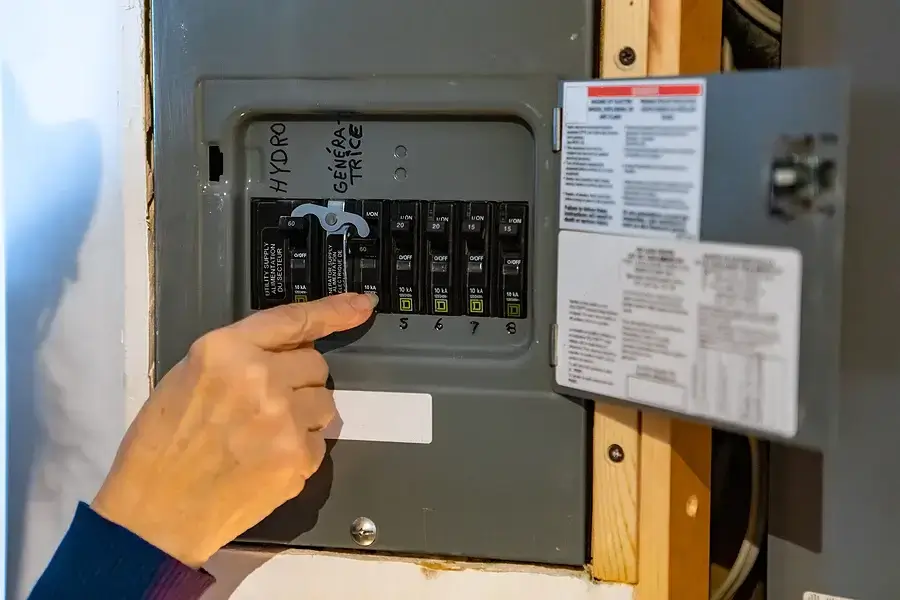
We remove outdated or damaged electrical panels and install new load centers that meet today’s NEC code requirements and are built to handle your home’s true electrical load.
We use premium materials, label every circuit, and install clean, future-ready wiring with the capacity for:
Home additions
EV charging
Smart systems
HVAC upgrades
Backup power systems
Meter base and weatherhead
Main service line
Grounding and bonding
Panel, breakers, and disconnects
Panel Upgrades
Why Homeowners Choose Tropical Electric and Lighting
We help you identify hidden hazards before they become disasters
We are trained to recognize outdated panel brands known for failure
We upgrade panels cleanly, safely, and in full compliance with Florida code
We coordinate with local utilities and inspectors so you do not have to
We respect your time, your home, and your safety from start to finish
Future-ready panel upgrades built to handle what’s next
Let’s Upgrade Your Panel Before It Becomes a Problem
Not All Panels Are Created Equal. Some Should Have Never Been Installed at All.
Certain panel brands like Federal Pacific, Zinsco, and older Challenger units are known industry-wide to be defective and unsafe. If your panel is one of them, you are not just overdue for an upgrade—you are living with a risk that increases every day.
Even if your panel still “works,” it may not be able to trip when it is supposed to. That is when fires happen.
testimonials
What our clients say
—Carol & Mike, On Top of the World
—Carol & Mike, On Top of the World
—Carol & Mike, On Top of the World
see the projects
Our Services
Electrical Repairing
From new installations to repairs, we ensure your home is safe and fully powered with professional electrical services you can trust for lasting results.
Panel Upgrades
From new installations to repairs, we ensure your home is safe and fully equipped with modern electrical capacity for today's technology-driven lifestyle.
Ceiling Fan Installation
From new installations to repairs, we ensure your home is safe and fully comfortable with professional ceiling fan services that enhance every room.
Lighting Installation
From new installs to upgrades, we deliver professional lighting solutions that enhance visibility, efficiency, and the overall look of your home or business.
Generator Installation
From initial setup to full system integration, we provide reliable generator installations that keep your property powered and protected during outages.
EV Charger Install
From home setups to commercial solutions, we install EV charging stations that deliver fast, reliable charging with long-term efficiency in mind.
Smart Home Setup
From device installation to full automation, we create seamless smart home systems that improve convenience, control, and energy efficiency.
Electrical Inspections
From routine evaluations to detailed diagnostics, we perform thorough electrical inspections to ensure your system is safe, compliant, and operating at its best.
Outdoor Lighting
From design to installation, we create durable outdoor lighting systems that improve safety, security, and curb appeal for your property.
GFCI/AFCI Compliance
From upgrades to full compliance corrections, we ensure your electrical system meets current GFCI and AFCI safety standards to protect your property and occupants.
Agricultural Electrical
From equipment wiring to full system setups, we provide dependable agricultural electrical services designed to keep your operations running efficiently.
Pool & Spa Electrical
From new installations to system upgrades, we handle pool and spa electrical work to ensure safe, code-compliant, and reliable operation.
explore FAQ's
Frequently Asked Questions
We offer a wide range of services including regular home cleaning, deep cleaning, office cleaning, move-in/move-out cleaning.
Yes, brands like Federal Pacific (FPE), Zinsco, and older Challenger units are known for failing to trip during overloads, which creates a severe fire risk. Tropical Electric & Lighting specializes in identifying these defective brands and replacing them with modern, reliable load centers to protect Central Florida homeowners.
Common signs include flickering lights, a burning smell near the breaker box, warm-to-the-touch outlets, or breakers with red or orange-tipped indicators. If you notice any of these symptoms in your Marion or Lake County home, schedule a professional safety inspection immediately to prevent potential electrical fires.
An amperage upgrade involves coordinating with your local utility company to upgrade the meter base, main service line, and grounding systems. Tropical Electric handles this entire process, ensuring your home has the capacity (150-200+ amps) required for modern smart tech, home additions, and high-speed vehicle charging.
Precision labeling is a core part of the Tropical Electric “military mindset.” When every circuit is clearly and accurately labeled, it ensures homeowner safety and simplifies future troubleshooting. It guarantees you know exactly which breaker controls specific appliances, lighting zones, or smart home components.