
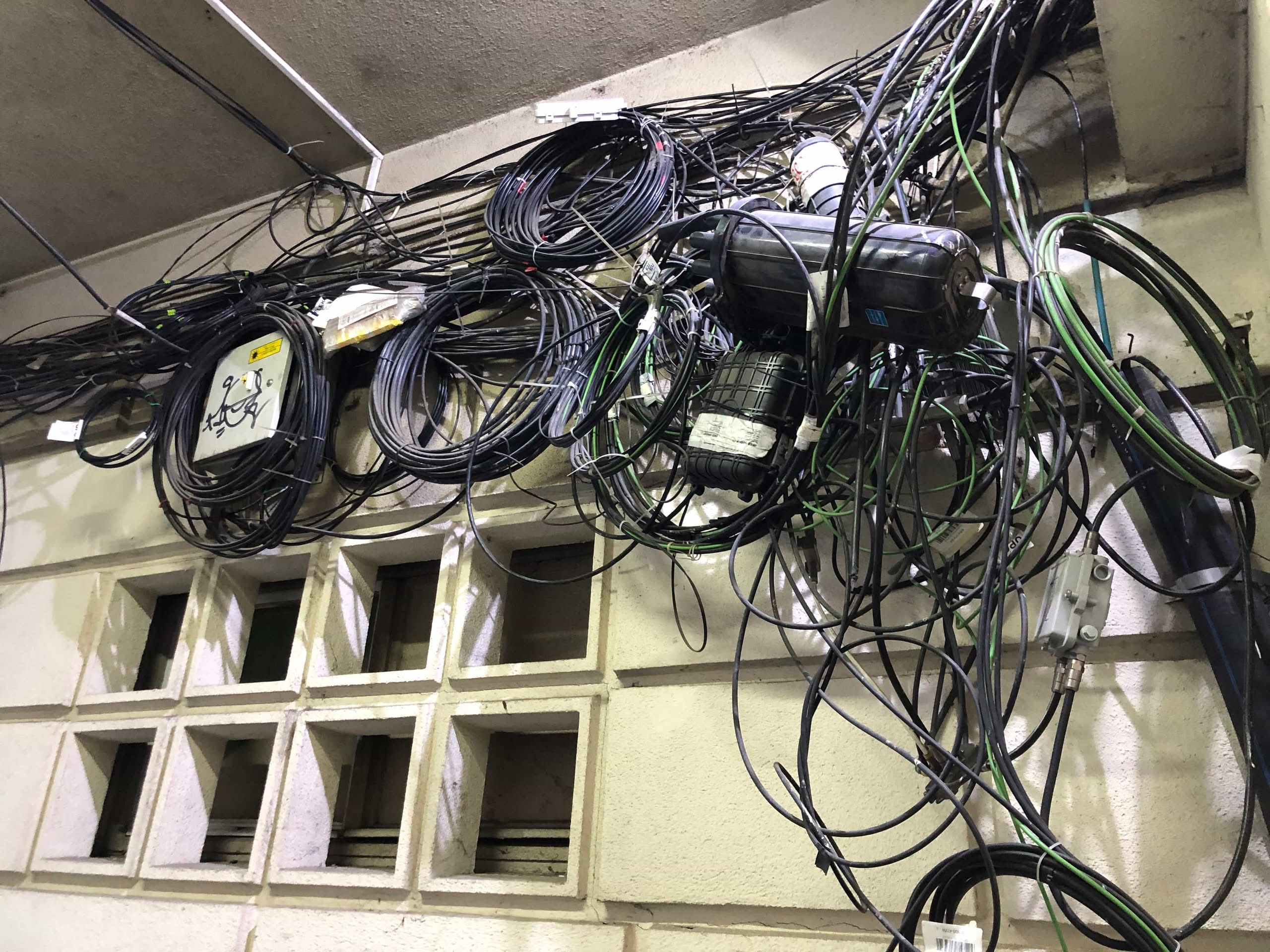
Overloaded Breakers: Why Your AC is Tripping the Fuse Box This July
If you are constantly dealing with overloaded breakers, your air conditioner is drawing more electrical current than your panel can safely handle. This automatic shutdown is not a harmless glitch. It is a critical safety mechanism actively preventing an electrical fire inside your walls.
As of July 2026, Central Florida’s intense summer heat is pushing aging HVAC systems to their absolute limits. Your cooling system runs non-stop to combat the tropical humidity. This sustained demand exposes hidden weaknesses in your electrical infrastructure.
In this guide, we will explore exactly why your AC keeps tripping the breaker box. We will also outline the safest, code-compliant ways to restore reliable power to your home.
📌 Key Takeaways
Overloaded breakers trip to protect your home from overheating wires and structural fires.
High summer temperatures increase electrical resistance and force your AC to pull maximum amperage.
Dirty filters, low refrigerant, and failing compressors are the top mechanical causes of electrical trips.
Repeatedly resetting a tripped breaker can permanently damage your HVAC system and wiring.
DIY electrical repairs on 240-volt AC circuits carry lethal risks of electrocution and arc flashes.
Table of Contents
-
Understanding Your Panel’s Safety Shield
-
Why July Heat Stresses Your Electrical Grid
-
The 5 Culprits Behind AC Electrical Failures
-
The Critical Risks of DIY Troubleshooting
-
Expensive Mistakes Homeowners Make
-
How Electricians Solve Circuit Problems
-
Protect Your Home with Tropical Electric
Understanding Your Panel’s Safety Shield
Quick Answer: A circuit breaker is an engineered safety valve that monitors the electrical current in your walls. It automatically cuts power when appliances demand more amperage than the wire can safely carry.
To resolve a recurring electrical failure, you must understand what happens inside your electrical service panel. Your breaker box acts as the primary defense system for your home’s wiring. Its job is to monitor the volume of electrical current moving through hidden copper or aluminum lines.
When you experience overloaded breakers, the total electrical demand has exceeded the maximum safe limit. For example, a standard circuit uses 12-gauge copper wire rated for 20 amps. If your AC suddenly pulls 25 amps, the internal bimetallic strip overheats and trips.
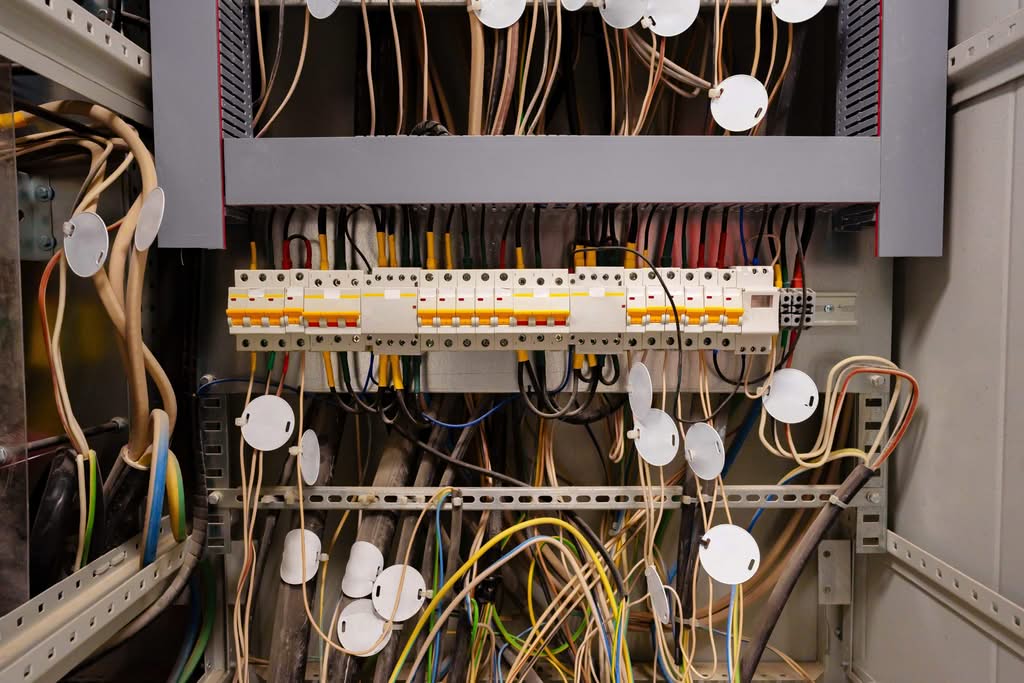
This instant mechanical shutdown severs the electrical pathway. When a wire carries excess current, it generates intense thermal heat. Without a functioning breaker, plastic wire insulation melts rapidly, exposing wooden wall studs to live voltage.
💡 Expert Insight: In our 30 years of field experience, we have found that a breaker doing its job often saves a home from total loss. Never ignore a breaker that trips repeatedly—it is screaming for help.
Why July Heat Stresses Your Electrical Grid
Quick Answer: July brings extreme heat and humidity, forcing your AC to run continuously. This sustained operation, combined with naturally higher wire temperatures, pushes your electrical panel past its breaking point.
July in Central Florida brings a punishing combination of high ambient temperatures and deep tropical humidity. During these peak summer weeks, your central air conditioner does not operate on short cycles. Instead, it runs almost continuously to combat the massive thermal energy transfer hitting your roof.
This non-stop operation introduces a massive double-whammy of electrical stress. As outdoor temperatures climb, electrical resistance within conductors naturally increases. Wires simply become less efficient at transmitting power when they are hot.
Furthermore, your air conditioner requires maximum operating current to run both the compressor and the blower fan. When hot wires meet sustained, heavy AC current draw, your grid reaches its physical limits. Under these extreme conditions, any existing weakness will manifest as repeated overloaded breakers.
📊 Data Point: Research indicates that residential electrical consumption can surge by up to 40% during peak summer heat waves, significantly increasing the likelihood of electrical failures in aging homes.
The 5 Culprits Behind AC Electrical Failures
Quick Answer: AC breakers usually trip due to suffocated air filters, low refrigerant levels, failing compressors, short circuits, or obsolete electrical panels. Both mechanical and electrical issues can trigger the safety switch.
When your cooling system causes your panel to trip, the issue could be a mechanical HVAC defect or a deficit in your wiring. Here are the five primary reasons behind summer system failures.
A. Suffocating Air Filters and Coils
An air conditioner functions by moving heat out of your home. If your indoor air filter is thick with trapped dust, the blower motor spins harder. This physical strain forces the fan motor to pull more current.
Similarly, if outdoor condenser coils are caked with dirt, the system cannot shed heat efficiently. The compressor must work harder to compress the refrigerant gas. This draws excessive amperage until the system eventually trips the breaker.
✅ Quick Tip: Change your indoor air filter every 30 days during the summer. This simple habit improves airflow, lowers your energy bill, and reduces the strain on your electrical panel.
B. Low Refrigerant Charges
Your air conditioner relies on a precise volume of chemical refrigerant to transport heat. If a tiny fracture develops in the copper lines, refrigerant slowly escapes. Low levels force the compressor to run continuously without cooling the house.
This endless operation causes the compressor pump to overheat rapidly. Overheating degrades the internal motor windings. The resulting surge in current draw immediately trips the breaker panel.
C. Aging or Constricted Compressors
The compressor is the mechanical heart of your cooling infrastructure. Over years of hard service, the internal bearings can wear down or bind completely. When an old compressor attempts to start, it encounters immense physical resistance.
To break past this friction, the unit draws its absolute maximum startup current, known as Locked Rotor Amps (LRA). If this instant power surge exceeds the trip curve, the switch will flip.
Scheduling routine electrical troubleshooting can identify high LRA readings before the compressor fails entirely.
D. Ground Faults and Short Circuits
Electrical current must travel along a fully insulated, contained loop. The insulation surrounding the wires of your outdoor condenser degrades due to sun exposure or rodents. If a live wire touches the metal housing, it creates a dangerous short circuit.
Because electricity bypasses normal resistance and rushes directly to the ground, the current draw spikes exponentially. The safety switch snaps off in a fraction of a millisecond to avert an explosive fire.
E. Obsolete Panels and Shared Circuits
Many older homes located across Ocala and Belleview possess infrastructure never engineered for modern HVAC loads. If your cooling unit is wired into an obsolete panel like Federal Pacific Electric, it may fail to distribute power safely.
Furthermore, uncertified workers often tap into an AC branch circuit to power garage outlets. This combined electrical load guarantees overloaded breakers every single time those devices operate simultaneously.
The Critical Risks of DIY Troubleshooting
Quick Answer: Opening a breaker box exposes you to raw, unmetered utility power capable of causing instant electrocution. DIY repairs can trigger explosive arc flashes and legally void your home insurance.
When a breaker repeatedly trips, you might want to watch a tutorial and buy replacement parts. However, attempting DIY repairs on high-voltage AC circuits is exceptionally dangerous. Residential service panels house lethal levels of uninsulated energy.
Standard home cooling systems operate on a 240-volt split-phase system. The incoming utility side of your main breaker panel remains fully energized even when you flip the main switch off. One dropped screw can instantly trigger a blinding arc flash.
According to data tracked by the National Fire Protection Association (NFPA), residential electrical malfunctions account for an estimated 46,700 home fires each year. Unpermitted modifications can also completely invalidate your homeowner’s insurance policy.
⚠️ Common Mistake: Never assume turning off the main breaker makes the entire panel safe. The thick lugs coming from the utility meter remain live and carry enough voltage to cause fatal injuries.
Expensive Mistakes Homeowners Make
Quick Answer: Forcing a tripped breaker back on, installing oversized breakers, or delaying professional repairs can turn a minor electrical fault into a multi-thousand-dollar HVAC replacement or house fire.
When dealing with chronic overloaded breakers, uneducated assumptions turn simple issues into costly disasters. Avoid these expensive errors to protect your property and wallet.
-
Forcing Resets: Flipping a tripped switch on repeatedly sends massive pulses of electricity through a damaged line. This rapidly degrades wall insulation and creates a severe fire hazard.
-
Installing Oversized Breakers: Swapping a 20-amp breaker for a 30-amp breaker is catastrophic. The wire will melt and ignite surrounding wood long before the oversized breaker trips.
-
Delaying Diagnostics: Ignoring a tripping panel forces the AC compressor to operate under low voltage. This destroys the internal motor, requiring a total system replacement.
How Electricians Solve Circuit Problems
Quick Answer: Licensed electricians use thermal imaging, digital clamp meters, and insulation testers to safely isolate the root cause of the electrical trip without guessing.
Resolving recurring overloaded breakers safely requires deep technical training and specialized gear. When you hire a licensed electrician, they execute a precise diagnostic sequence.
| Diagnostic Step | Specialized Action | Primary Purpose |
| 1. Thermal Imaging | Scans the interior of the panel under load. | Locates hidden high-resistance “hot spots” invisible to the naked eye. |
| 2. True RMS Testing | Uses clamp meters to measure exact current. | Isolates mechanical compressor faults from pure electrical deficits. |
| 3. Insulation Testing | Delivers safe high-voltage test pulses. | Checks for microscopic breakdowns in wire insulation that cause shorts. |
| 4. Circuit Inspection | Traces the AC branch line. | Ensures the unit is fully isolated and not sharing capacity with other outlets. |
If your panel is obsolete or damaged by heat, they can perform a seamless, professional panel upgrade to modernize your property’s electrical infrastructure.
7. Protect Your Home with Tropical Electric
When your home’s electrical grid shows strain under the intense July heat, you need verified field experts. At Tropical Electric & Lighting, we treat your family’s safety as our absolute priority. Founded by a U.S. Navy Veteran, our team brings military-grade precision to every home.
Backed by more than 30 years of combined experience, our master electricians solve complex troubleshooting challenges easily. We serve homeowners throughout Marion, Lake, and Sumter counties with transparent pricing and immaculate workspaces.
Read more of our Tropical Electric guides to learn how to keep your home safe.
Next Steps to Fix Your Overloaded Breakers:
-
Stop resetting the tripped breaker immediately to prevent electrical fires.
-
Check and replace your indoor HVAC air filter if it is visibly dirty.
-
Call a licensed electrician to perform a full thermal and amperage diagnostic test.
Do not risk your home with dangerous DIY repairs. Contact Tropical Electric & Lighting today to schedule your comprehensive safety inspection and restore your cooling system!
Frequently Asked Questions (FAQs)
Why does my AC keep tripping the breaker after a few minutes?
If your AC trips the breaker after running for a few minutes, the compressor is likely pulling excessive running amperage. This usually happens because of dirty condenser coils, low refrigerant levels, or a failing motor that overheats quickly. An electrician can measure the exact current draw to pinpoint the failure.
Can a bad breaker cause an AC unit to trip?
Yes, circuit breakers degrade over time due to repeated heat exposure and age. A weak or faulty breaker may become overly sensitive and trip well below its rated amperage limit. A licensed electrician can test the switch and replace it with a factory-specified component.
How much does it cost to fix overloaded breakers?
The cost depends on the root cause of the electrical trip. Replacing a faulty $30 breaker is highly affordable, while upgrading an obsolete electrical panel can cost several thousand dollars. Professional diagnostic testing ensures you only pay to fix the actual problem without guessing.
Is it safe to replace an overloaded AC breaker myself?
No, replacing a breaker on a 240-volt AC circuit is extremely dangerous. The main panel remains fully energized even when the main switch is off. A simple mistake can cause a fatal electrocution or an explosive arc flash, and unpermitted work voids home insurance.
How do I stop my AC from drawing too much power?
The U.S. Department of Energy recommends routine seasonal maintenance to prevent sudden component failures. Change your air filters monthly, keep the outdoor unit free of debris, and schedule annual electrical inspections. Proper airflow drastically reduces the mechanical strain on the compressor.